
School safety
Modern Visitor Management Systems: The First Line of Defense for School Security
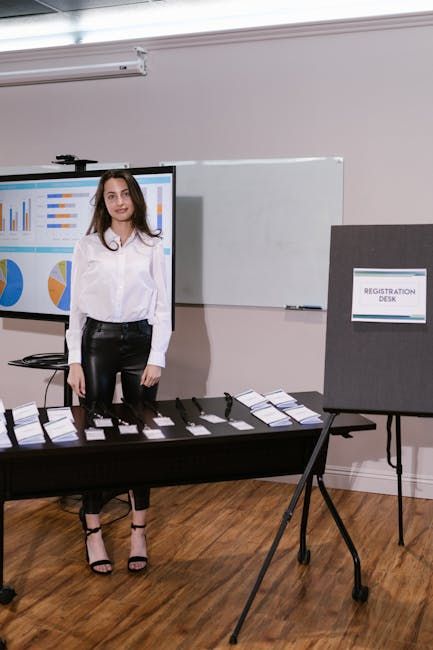
School security begins at the front door. In an era where protecting students and staff is paramount, visitor management systems have evolved from simple sign-in sheets to sophisticated digital platforms that provide comprehensive screening, tracking, and audit capabilities. Modern visitor management technology serves as the critical first line of defense, ensuring that everyone who enters your campus is properly identified, screened, and monitored throughout their visit.
The transformation from paper logbooks to intelligent visitor management reflects a fundamental shift in how schools approach security, moving from reactive measures to proactive protection strategies. Today's systems integrate seamlessly with existing security infrastructure, create permanent digital records, and provide real-time alerts when potential threats are detected at the entry point.
1. Core components of modern visitor management
Contemporary platforms begin with a digital check-in interface, typically a tablet or kiosk stationed at main entrances, guiding visitors through identification verification, purpose of visit documentation, and photo capture. A complete digital record exists from the moment someone arrives on campus.
The identification verification layer uses government-issued ID scanning with optical character recognition and barcode reading, comparing visitor information against sex offender registries, custody alert databases and custom restriction lists in seconds. Badge printing then transforms digital check-in into physical accountability, with photo, name, check-in time, destination and any special designations.
The backend management dashboard serves as mission control: real-time visibility into everyone currently on campus, comprehensive visitor histories, compliance reports, and automated alerts when visitors overstay or attempt to access unauthorized areas.
2. Advanced screening and threat detection
Integration with national and state databases enables real-time cross-referencing against multiple threat indicators. Custom watchlist management lets schools maintain institution-specific restriction lists, including individuals with restraining orders, parents without legal custody rights, or anyone previously banned from campus.
Behavioral analysis adds another dimension, tracking patterns such as repeated visits without clear purpose or visitors who consistently overstay approved durations. Multi-campus coordination propagates flags and bans across every school in the district automatically.
3. Integration with existing security infrastructure
Access control integration creates a unified security perimeter where visitor badges actively control movement throughout the facility. Video surveillance integration captures high-resolution images synchronized with visitor records, so security personnel can review the check-in process and trace movement using camera timestamps correlated with badge access logs.
Emergency notification integration feeds visitor information directly into crisis management protocols, giving responders real-time lists of everyone on campus. Student information system connectivity verifies guardian relationships and custody status automatically at check-in.
4. Compliance and reporting capabilities
Every visitor interaction generates a permanent digital record: identification information, entry and exit timestamps, photo documentation, purpose of visit, areas accessed and any alerts. Automated reporting turns raw visitor data into actionable intelligence covering visitor volumes, peak traffic times and trends over time.
Audit trail functionality logs every action taken within the system with user identification and timestamps, creating complete accountability for security decisions. Emergency drill documentation helps schools maintain required safety training records.
5. User experience and operational efficiency
Automated check-in dramatically reduces wait times, with most visitors completing the sequence in under 60 seconds. Front desk staff experience significant workload reduction as the system handles verification, screening and badge creation automatically, freeing personnel to maintain situational awareness of the entrance area.
Pre-registration streamlines the experience for scheduled guests, while multi-language support ensures all visitors can navigate check-in regardless of language barriers, so security protocols never discourage family engagement with the school.
Conclusion
Visitor management systems represent a foundational investment in comprehensive school security that pays dividends across multiple dimensions, from enhanced threat detection to improved operational efficiency and better visitor experiences. The integration capabilities ensure visitor management amplifies the effectiveness of every other security system deployed throughout your campus.
The most effective implementations treat visitor management as one crucial component of an integrated security infrastructure that creates multiple overlapping layers of protection for students, staff and visitors alike.